African American Women, Alopecia, and the Journey to Empowerment
Hair has always held a deep cultural, emotional, and spiritual significance within the African American community. Particularly for women. It’s a symbol of femininity, identity, and creativity. So, when hair begins to fall out, often without warning, the impact is not just physical. It's emotional and deeply personal. Alopecia is an umbrella term that encompasses various types of hair loss. It is affecting African American women in alarming numbers, prompting both concern and conversation.
Why Are So Many African American Women Losing Their Hair?
Alopecia is not a one-size-fits-all condition. There are several types, but Central Centrifugal Cicatricial Alopecia (CCCA) is most commonly found in African American women. This form of scarring alopecia typically begins at the crown and spreads outward. It’s linked to inflammation and, in some cases, permanent damage to the hair follicles.
Here are some contributing factors:
Chemical treatments: Regular use of relaxers and hair coloring can irritate the scalp and weaken the hair shaft.
Tight hairstyles, such as tight braids and hair weaves when worn repeatedly, can cause traction alopecia, a preventable form of hair loss resulting from excessive tension.
Genetics: Some forms of alopecia are hereditary, making prevention more difficult.
Autoimmune issues: Alopecia areata occurs when the immune system mistakenly attacks the hair follicles, leading to hair loss and baldness.
Stress and Hormonal Imbalances: High cortisol levels and hormonal changes, such as those associated with menopause or conditions like Polycystic Ovary Syndrome, can contribute to hair loss.
Nutritional Deficiencies: Deficiencies in Iron, Vitamin D, and protein can also contribute to hair loss in some women.
The Psychological Toll And The Rise of Bald Empowerment
Hair loss can be devastating, as we all know, and many women report feelings of embarrassment, anxiety, and depression surrounding their hair loss. Historically, there’s been a stigma around baldness in women, particularly in Black communities where hair is a point of pride and association. But that narrative is shifting.
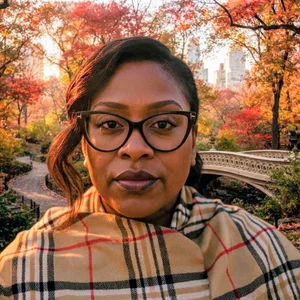
From public figures like Jada Pinkett Smith openly sharing her alopecia journey to a growing movement of women celebrating their baldness on social media. More African American women are choosing to embrace their natural beauty without relying on having hair. Bald doesn’t mean less feminine! Women are redefining what it means to be feminine. Adorned in bold earrings, radiant makeup, flowing dresses, or simply glowing with confidence, speak volumes to their femininity.
The rise of hashtags like #BaldAndBeautiful and #AlopeciaAwareness is changing perceptions of beauty. It’s not just about acceptance; it’s about power.
Is There a Cure for Alopecia?
Let’s be clear, there is no universal cure for alopecia, especially for scarring types like CCCA. Yet, early diagnosis and intervention can make a difference. Treatments include Topical corticosteroidsto reduce inflammation, Minoxidil (also known as Rogaine) to stimulate hair regrowth, Platelet-Rich Plasma (PRP) therapy, an experimental but promising treatment, and Anti-inflammatory medications or immunosuppressants in autoimmune-related alopecia.
Here’s the key: early detection. Once hair follicles are scarred, regrowth becomes extremely difficult, making medical consultation vital at the first signs of hair thinning or scalp soreness.
Surgical Hair Replacement Options
If you really know Ms. April, then you know she’s all about cosmetic surgery. With that in mind, women seeking a more permanent solution may consider surgical hair restoration as an option. Techniques include:
Follicular Unit Transplantation (FUT): A strip of scalp is removed and transplanted to the balding area.
Follicular Unit Extraction (FUE): Individual hair follicles are extracted and re-implanted.
Scalp Micropigmentation (SMP): A non-surgical technique that tattoos pigment into the scalp to mimic hair follicles.
Please note that these procedures are not suitable for everyone.
Women with extensive scarring or ongoing inflammation may not be ideal candidates. It is important to consult with a board-certified dermatologist or hair transplant surgeon before making any decisions.
What Does Surgical Hair Replacement Cost?
Hair transplant surgery is considered cosmetic surgery and is not typically covered by insurance. After researching the cost, here’s what to expect:
FUT: $4,000–$10,000
FUE: $6,000–$15,000 (depending on the number of grafts needed)
PRP Therapy: $500–$1,500 per session (usually requires multiple sessions)
SMP: $1,000–$4,000 depending on the area to be covered
These procedures can really set someone back financially. Unfortunately, many women face barriers to access due to cost unless they have the credit to afford any one of these surgical hair replacement surgeries.
To Sum It All Up
Hair loss in African American women is real! It’s a rising condition that’s emotionally charged, but it’s no longer a silent struggle. While a one-size-fits-all cure may not yet exist, knowledge, early intervention, and evolving beauty standards are helping women reclaim control.
Whether it’s through medical treatment, surgery, head wraps, or boldly bald confidence, Black women are proving that beauty is not defined by hair, but by the soul that wears the crown.
If you’re experiencing hair loss, consult a dermatologist who specializes in ethnic hair and scalp conditions. Remember, you're not alone, and you are still beautiful.